Anbeston Script: The Handwritten Touch Your Designs Need
There's a specific kind of visual warmth that only a well-crafted script font can deliver. It's the difference between a generic greeting and a personal note, between a standard logo and one that feels truly bespoke. Anbeston Script enters this space not just as another option, but as a compelling character—a typeface that feels equally charming and elegant. It carries a personality that's both approachable and refined, making it a versatile tool for creators who want to inject authenticity and sophistication into their work.
Understanding the Personality Behind the Letters
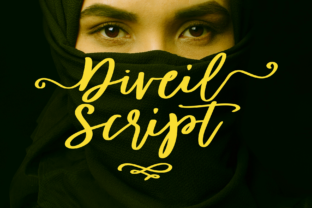
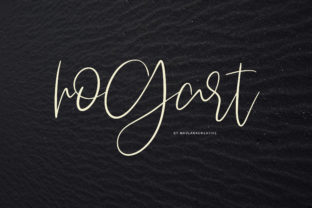
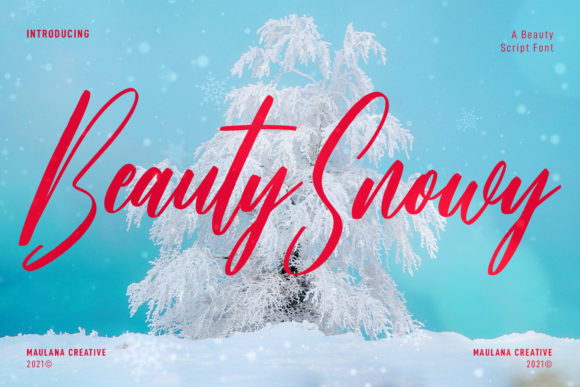
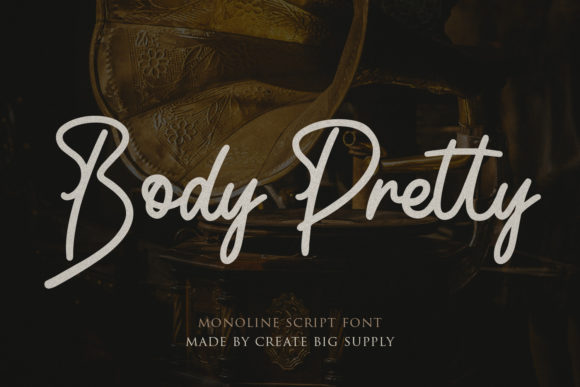
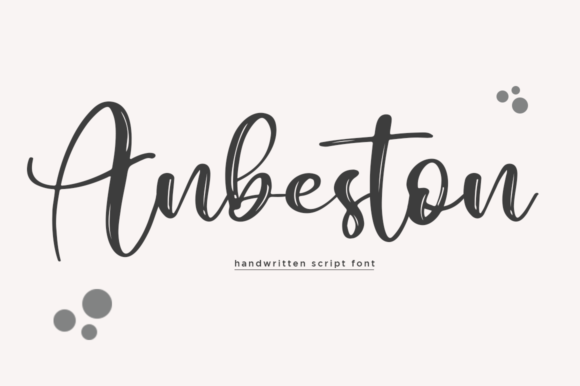
At its core, Anbeston Script is a modern calligraphic display font. Its strokes mimic the fluid, connected motion of a skilled hand holding a brush or pointed pen. You'll notice subtle variations in line thickness, giving it a dynamic, organic quality that feels alive on the page or screen. The letterforms are beautifully balanced, with just enough flourish to be interesting without becoming illegible. This isn't a frantic, overly casual scrawl; it's a controlled, graceful script that speaks of care and intention. Its overall appeal lies in this duality—it's personal enough to feel heartfelt, yet polished enough for professional applications.
The visual characteristics of this premium font make it stand out. The connections between letters are smooth and natural, creating a pleasant rhythm in headlines and short phrases. The x-height is generous, which aids in readability for a script font. Certain letters, like the capital 'S', 'B', or 'A', often feature distinctive, elegant swashes that can be used to add a decorative flair at the beginning of a word or line. This attention to detail is what separates a good handwritten font from a great one.
Where Anbeston Script Truly Shines: Real-World Applications
The true test of any creative font is its application. Where does Anbeston Script feel most at home? The answer is surprisingly broad, spanning both personal and commercial projects.
For wedding invitations and event stationery, it's a natural fit. The font's elegance conveys the importance of the occasion, while its handwritten feel adds a layer of intimacy and romance. Imagine it on a save-the-date card, paired with a clean serif font for the details—the contrast would be stunning. Similarly, for thank you cards, holiday greetings, or personal quotes, it adds a tangible, human touch that typed fonts struggle to replicate.
In the realm of brand identity and logo design, Anbeston Script offers a powerful way to stand out. It's particularly effective for brands in the lifestyle, boutique, artisanal, or beauty spaces. A bakery, a custom jewelry maker, a boutique hotel, or a freelance photographer could use it to create a logo that feels personal, luxurious, and trustworthy. It signals that the brand values craftsmanship and individual attention. However, as with any display font, context is key. It would likely feel out of place for a corporate law firm or a tech startup aiming for a minimalist, ultra-modern aesthetic.
Beyond logos, consider its use in packaging design and social media graphics. A script like Anbeston can make a product label pop on a shelf, telling a story of handmade quality. On Instagram or Pinterest, it's perfect for creating eye-catching quote graphics, story headers, or promotional announcements that stop the scroll. The font does the heavy lifting of conveying mood and personality in an instant.
Making It Work: Practical Guidance for Designers and Creators
Adopting a new font into your toolkit is a strategic decision. Here’s how to approach Anbeston Script effectively.
First, evaluate the project fit. Ask yourself: Does the project's tone call for warmth, elegance, and personality? If you're designing a technical manual, this isn't your font. If you're creating a wedding website, a boutique brand style guide, or a motivational poster, it's a strong candidate. The font's inherent style will influence the entire design's direction.
Next, master the art of font pairing. A script font like Anbeston works best when it has a supporting cast. It needs contrast to maintain readability and create a clear visual hierarchy. Pair it with a sturdy, simple sans serif font for body text or supporting information. Think of fonts like Montserrat, Open Sans, or Lato. Alternatively, a classic, understated serif font like Garamond or Times New Roman can create a beautiful, traditional contrast. The rule of thumb is: let Anbeston be the star for headlines, logos, or short accents, and let a more neutral font handle the heavy lifting of paragraphs.
Always review the included styles. A quality commercial font often comes with more than just the basic letters. Check for stylistic alternates, swashes, and ligatures. These are alternate versions of letters (like a more ornate 'g' or a connecting 'th') that can add unique flair to your design. Accessing these usually requires software that supports OpenType features, like Adobe Illustrator, Photoshop, or InDesign.
Finally, consider readability and licensing. Test the font at the size it will be used. While it's legible for a script, avoid setting long paragraphs in it. For web design, ensure it renders clearly on different screens—using it for a hero title or a button is fine; for a blog post body, it's not. And importantly, if you're using it for a client project or a commercial product, ensure you have the correct commercial license. This is a non-negotiable part of professional practice.
Elevating Your Creative Toolkit
In the vast ocean of available typefaces, finding one that feels both distinctive and usable is a win. Anbeston Script is more than just a collection of pretty letters; it's a design asset with a clear point of view. It can elevate a simple project, add sophistication to branding, and connect with an audience on a more emotional level. Whether you're a designer crafting a client's brand identity, an entrepreneur building your own visual language, or a hobbyist creating beautiful stationery, this font offers a reliable way to add that coveted handwritten touch. Its strength lies in its balanced personality—never too casual, never too stiff—making it a valuable and versatile member of any modern typographic toolkit.